Harrison Village Facts
Waterfront Flood Mitigation Documents Reveal Major Shift In Village Planning Discussions
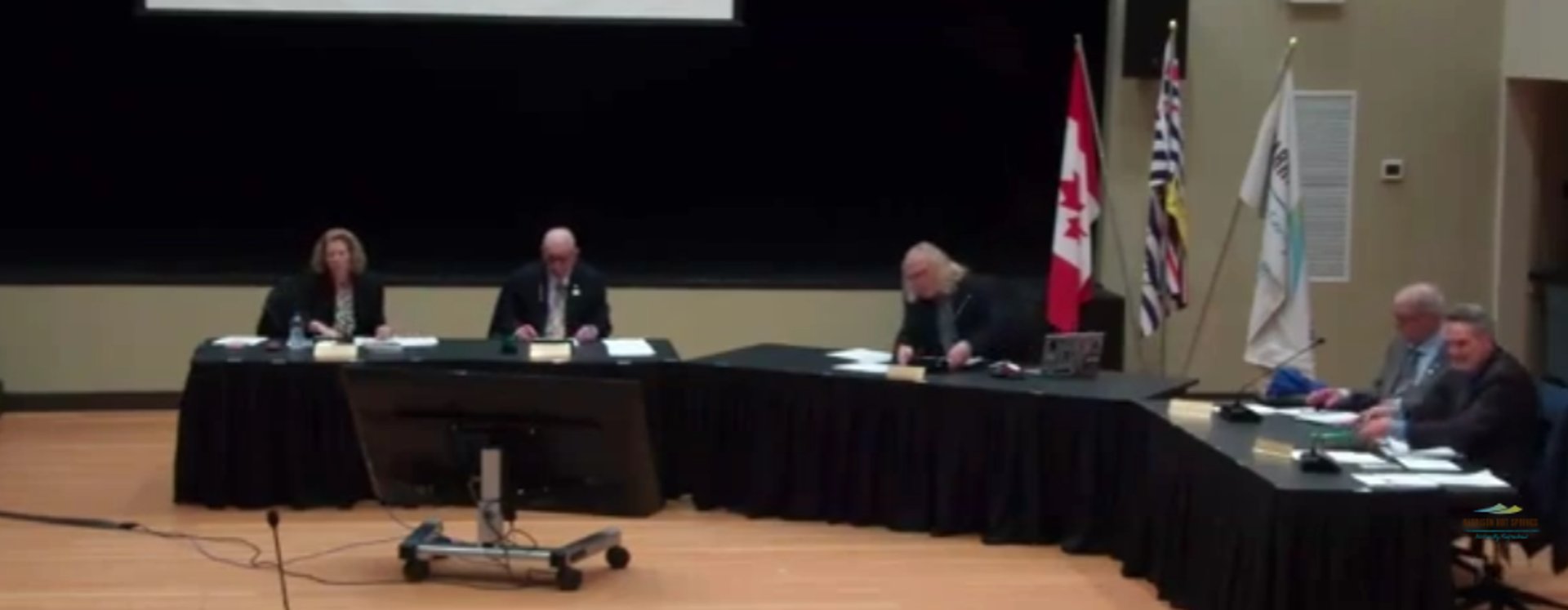
This article contains analysis and opinion based on publicly released council documents and engineering presentations presented to Harrison Hot Springs Council on May 19, 2026.
The May 19, 2026 Harrison Hot Springs Council package contains some of the clearest engineering language yet suggesting that the waterfront project is fundamentally tied to flood mitigation, dike resilience, seepage control, and emergency flood response planning.
For years, many residents have viewed portions of the waterfront work as tourism enhancement, beautification, or shoreline redevelopment. However, the engineering documents presented by Northwest Hydraulic Consultants suggest a much larger infrastructure and flood protection focus.
The presentation repeatedly references:
• dike seepage concerns
• below grade sheet pile seepage cutoffs
• flood response planning
• shoreline resilience improvements
• deployable flood barriers
• consultation with the Provincial Inspector of Dikes
These are not typical cosmetic waterfront improvements.
They are engineering measures commonly associated with flood protection infrastructure.
The Village Appears To Have Shifted Direction
One of the most important statements in the presentation appears within the summary slide discussing the December 2025 Committee of the Whole meeting.
The report states:
“Below grade dike improvements, no permanent dike raise.”
That statement is politically and operationally significant.
Earlier public concern centered around the possibility of a visible raised dike structure along the waterfront that many believed could alter lake views, beach access, and the overall appearance of the waterfront.
The updated approach now appears focused on:
• underground reinforcement
• seepage mitigation
• temporary deployable flood barriers during emergency events
• maintaining existing waterfront views and aesthetics
In practical terms, the Village appears to be attempting a compromise approach:
strengthen the flood protection system while avoiding a large permanent visible flood wall along the waterfront.
Seepage Concerns Continue To Appear Throughout The Engineering Documents
The term “seepage cutoff” appears repeatedly throughout the engineering presentation.
Multiple waterfront zones reference:
“below grade sheet pile seepage cutoff.”
This is important because seepage beneath or through a dike system can become a serious failure concern during elevated water conditions.
The presentation identifies several project zones where underground sheet piling or seepage barriers are proposed:
• Hot Springs Resort frontage
• commercial beach areas
• lagoon frontage
• Rendall Park
• wastewater treatment plant shoreline
• Miami River pump station transition areas
The repeated use of these engineering measures strongly suggests that water movement beneath portions of the waterfront structure remains an ongoing concern.
This also aligns with earlier geotechnical discussions, borehole information, and public questions regarding soil conditions and dike integrity.
The Wastewater Treatment Plant Is Clearly Considered Vulnerable Infrastructure
Another important detail within the presentation is the focus on the wastewater treatment plant shoreline and access road.
The plans include:
• raising embankments around the wastewater treatment plant
• improving shoreline riprap protection
• raising the access road
• ensuring access during and after flood events
The report specifically references raising portions of the wastewater treatment plant area to elevation 15.1 metres.
This indicates the Village considers this infrastructure vulnerable enough to require flood related upgrades and additional protection measures.
The Miami River pump station transition area is also specifically highlighted as an important connection point between shoreline upgrades and dike improvements.
The Village Is Now Moving Toward Permitting And Construction
The May 19 recommendations ask Council to direct staff and Northwest Hydraulic Consultants to:
• submit environmental permit applications
• complete detailed design work
• prepare for tendering and construction
The project timeline outlined in the report is also revealing.
The presentation notes:
• federal and provincial in stream permits are required
• permitting timelines are typically 12 months or longer
• non stream construction may begin in fall 2026
• in stream construction may not begin until fall 2027
This means the project is no longer simply conceptual.
It is advancing into detailed engineering, permitting, and procurement phases.
The Engineering Language Is Much Stronger Than Public Messaging
One of the more noticeable aspects of the package is the difference between engineering language and broader public messaging often seen through engagement campaigns and tourism related materials.
The engineering documents consistently describe:
• flood mitigation
• dike resilience
• seepage control
• deployable flood barriers
• erosion protection
• shoreline reinforcement
Meanwhile public facing communication has often emphasized:
• waterfront enhancement
• recreation
• tourism improvements
• beautification
• public enjoyment
The engineering package makes it increasingly difficult to separate the waterfront project from its flood mitigation purpose.
Forestry And Watershed Concerns Are Now Officially Entering Council Discussions
Another major development in this package is the formal motion from Mayor Talen regarding forestry activities near Harrison Hot Springs and within the Harrison Lake watershed.
The proposed motion specifically references concerns regarding:
• wildfire risk
• flooding
• water quality
• watershed impacts
• forest viewscapes
The motion also confirms that the Village contacted BC Timber Sales on April 27, 2026 seeking information about how forestry activities may alter:
• wildfire exposure
• flooding risks
• water quality conditions
• visual impacts around Harrison Lake
This is important because it represents one of the clearest public acknowledgements yet that watershed management, forestry activity, wildfire risk, and flooding concerns may be interconnected issues.
For years many residents have argued these risks should not be viewed separately.
The Council package now suggests discussion may finally be moving in that direction.
Tourism Growth Still Remains A Major Provincial Priority
Included within the correspondence package is a letter from the Resort Community Collaborative supporting the Province’s tourism growth strategy.
The letter advocates for:
• expanded tourism infrastructure funding
• resort growth
• increased visitation
• investment into established tourism communities
This helps explain why Harrison continues pursuing large waterfront and tourism related infrastructure projects despite growing public concern around infrastructure strain, emergency preparedness, and environmental risks.
FOI Pressures Are Also Now Being Publicly Acknowledged
Another notable detail is the Village’s proposed request for provincial discussions regarding funding support for Freedom of Information requests.
Council is being asked to seek meetings with the Minister of Citizen’s Services regarding:
“a funding stream for responding to FOI requests.”
This suggests that FOI related workload and disclosure pressures are becoming a growing issue for municipalities.
The Bigger Picture
Taken together, this Council package paints a much larger picture than a simple waterfront improvement project.
The documents suggest Harrison Hot Springs is increasingly confronting multiple overlapping pressures:
• flood mitigation requirements
• aging infrastructure concerns
• seepage and shoreline stability issues
• wildfire and forestry related risks
• watershed management concerns
• emergency preparedness challenges
• tourism growth pressures
• infrastructure funding limitations
The engineering language contained in this package strongly suggests that significant flood mitigation concerns continue to exist along the waterfront.
At the same time, the Village appears to be attempting to balance:
• tourism image
• public aesthetics
• environmental approvals
• flood protection requirements
• public opposition to visible dike structures
• long term infrastructure resilience
The coming years will likely determine whether these competing priorities can realistically coexist.
We provide clear, factual summaries of council meetings, bylaws, and decisions affecting Harrison Hot Springs.


Our Mission
How We Work
By tracking public records and discussions, we aim to boost transparency and keep residents informed.
Stay Informed
Get clear updates on council decisions
Contact Us
Reach out with questions or corrections about council decisions and local updates.